Nathalie Emmanuel
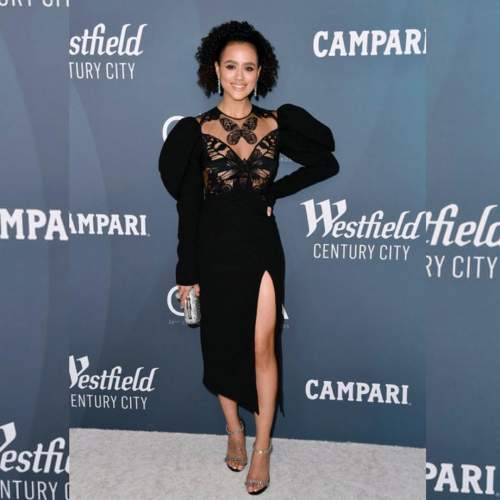
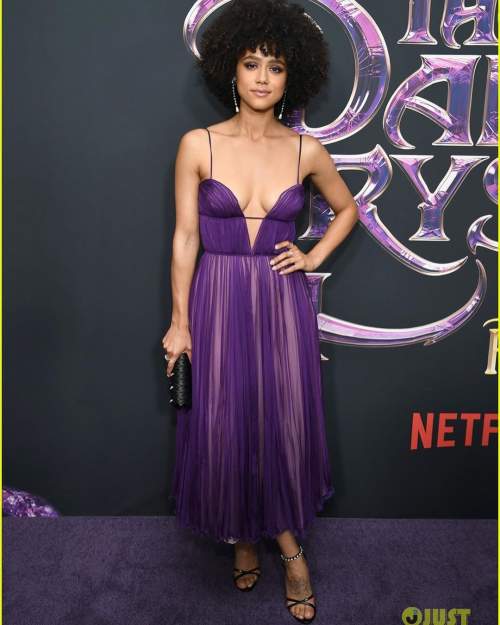
Nathalie Joanne Emmanuel was born 2 March 1989. Emmanuel began her acting career in theatre in the late 1990s. In the following years she was offered roles in several West End productions including The Lion King. In 2006, she started her on-screen career by starring as Sasha Valentine in soap opera Hollyoaks, after which she made appearances in several British TV shows until her first appearance in a film in Twenty8k.Emmanuel received international recognition for her portrayal of Missandei in the HBO fantasy series Game of Thrones (2013-2019) and then continued her acting career in supporting roles in Maze Runner: The Scorch Trials (2015) and its sequel Maze Runner: The Death Cure (2018), the Fast & Furious films Furious 7 (2015), The Fate of the Furious (2017), and F9 (2021) as well as was a character in Army of Thieves (2021).Emmanuel was born on March 2nd, 1989 in Southend-on-Sea in Essex, England. Her mother is Dominican and her father is half-Saint Lucian and half English descent. She has an older sister. Emmanuel remembers that her mom first became aware of her desire and passion to become an actress during her time at the independent St Hilda's School, which closed in 2014, as well as the Westcliff High School for Girls grammar school. In an interview for The New York Daily News, she revealed, "When my mom was three, always cause drama--so she thought maybe I should channel her energy properly. So I began learning to act, sing, and dancing classes." At 10 years old she was in Young Nala in the West End's production of The Lion King. Then, she was cast as Missandei in HBO's fantasy drama series Game of Thrones. She told Jimmy Kimmel that she learned about the role when she was working as an assistant in an apparel store. In the year 2015, Emmanuel was promoted to an established cast member in the series. Missandei was the only major female persona on the show was a woman-of-colour. The scene where she died in chains was not popular with viewers. It was also called an example of deceit and also evoked images of slavery. Emmanuel later stated to The Guardian: The response to the death of Missandei was large because she was so alone. A lot of people who felt marginalized or marginalized, had felt a connection to her or believed they were represented by them, specifically women of colour. In the event of her death - and the way she did , it was very painful for the people who mourned her because they were thinking, 'Oh that's not true! They're going after the one woman of colour.


Comments
Post a Comment